My 2025 has been a really great year filled with a ton of taking ideas from 0 to 1, and to me it's been defined by one big change in my life: my role at Base.
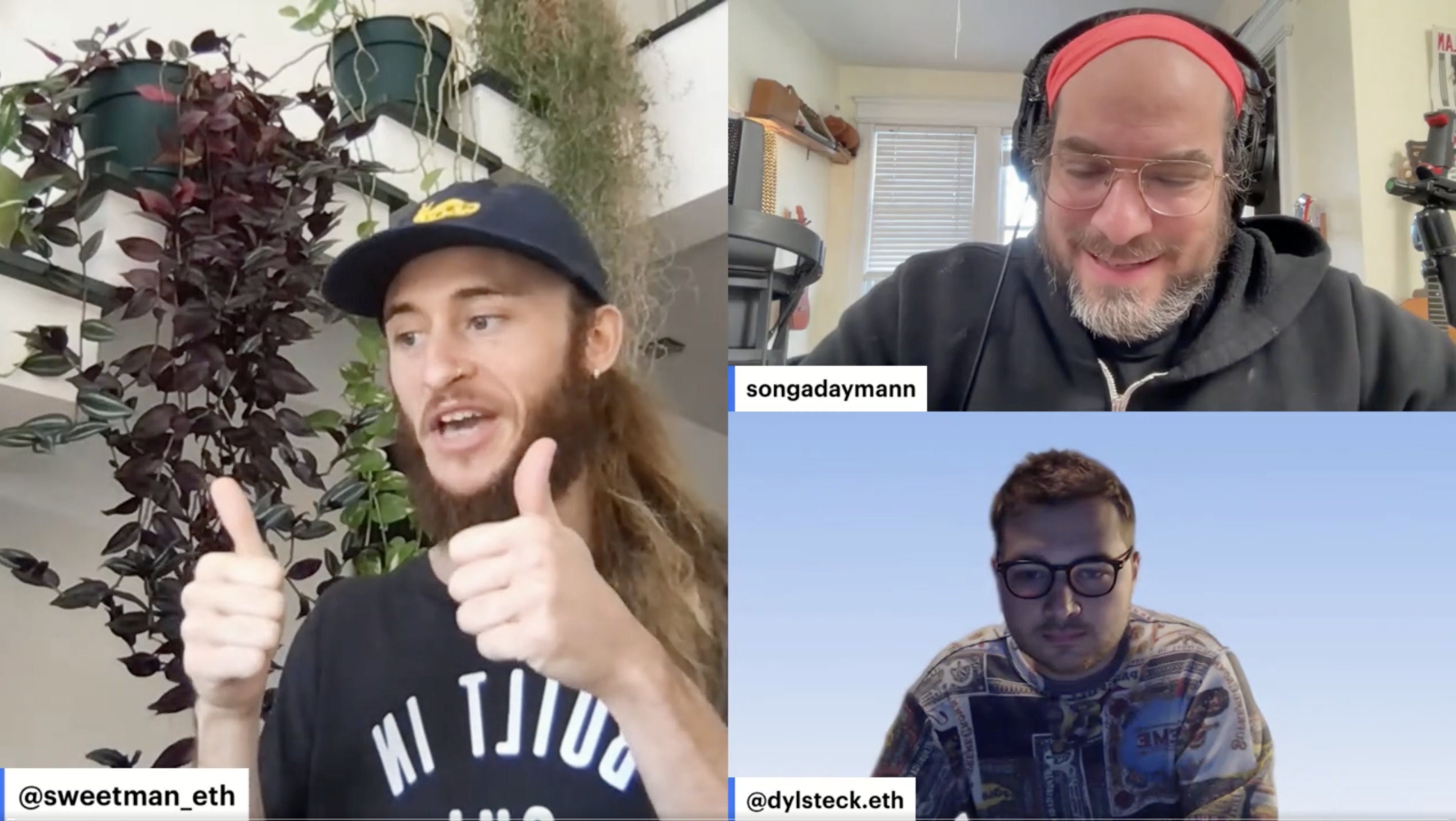
At the beginning of the year, I was building on my own. It was a mixture of follow-up ideas I was working on at the end of last year (like tap videos and even talking about dev news on the GM Farcaster Network!) as well as some contracting work. And while it was good and I just kept on building as usual, I couldn't help but think about what was next. In particular, I knew I wanted an opportunity to build at larger scale and work with/learn from a larger team. And very fortunately I've found that in my new role at Base!
Building at Base
I was so pumped to land at Base. As an outsider looking in, I could see how many builders were choosing to build on Base and how much the team had done to support the community. My own experiences — from attending the first BaseCamp in Idyllwild to collaborating with the Base team for FarCon LA last year to building projects on Base myself — left me with nothing but positive thoughts. I'm especially fortunate that I landed on the Base app team, a team that's both super talented and passionate about how we can bring all these building blocks together. Seeing how far the app has progressed, where we just launched in 140+ countries, has been amazing to see.
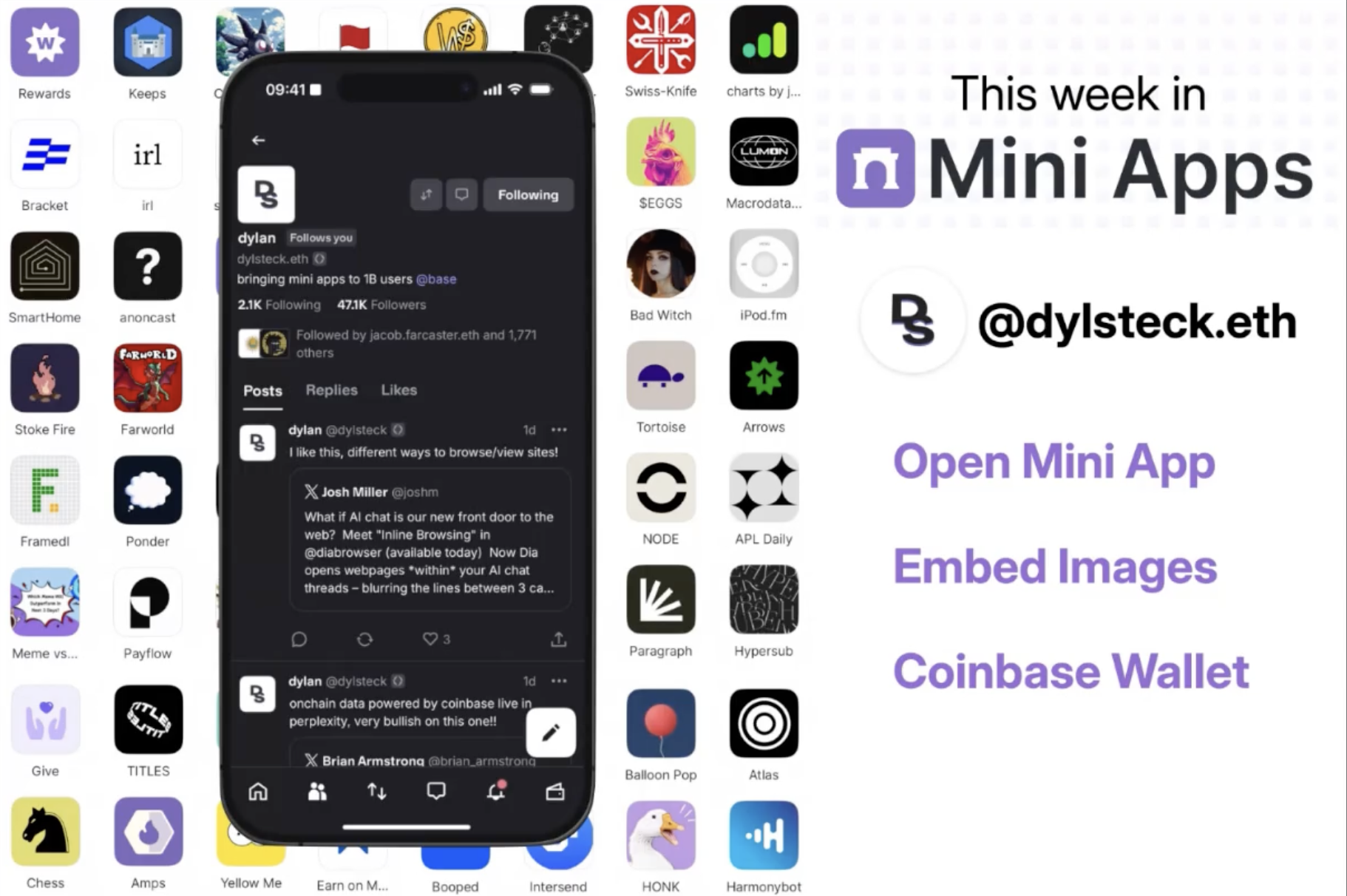
In my role so far I've focused heavily on mini apps. When I joined, our mini app support was just beginning, and having worked on Farcaster Frames the year prior, I was excited to continue on the journey with mini apps. We've now reached full parity with the Farcaster miniapp spec including sign in (powered by auth address support), rich in-app actions, and notifications. With our latest updates and new storefront, Base app is starting to feel like crypto's app store. And I also helped with in-person activations and demos — from first-party game mini apps for our private beta launch at FarCon in May to demos to showcase the power of building on Base to activations for our A New Day One event in LA, including a 10+ foot tall screen where you could tip creators on Noice. It's been super rewarding to see the growth of the platform and all the awesome new mini apps from developers all over the world!
A few things I've learned along the way:
- Acting like an owner goes a long way and is a super valuable skill to develop
- Knowing your goal and iterating purposefully; understanding the question behind the question
- Leading with passion brings teams together and makes the whole process even more fruitful/memorable
FarCon NYC
Something else I'm very proud to have contributed to this year was FarCon NYC! When my friend Emma reached out about looking into doing one in NYC it felt like a no brainer. And before going any further on the event, I wanna take a moment to give Emma her flowers for doing such an amazing job spearheading the entire event -- it wouldn't have been possible without her and I'm grateful to have gotten to work closely with her and our stellar core team on it!
Some key highlights from FarCon NYC:
- ~400 attendees for the main event & FarHack combined who flew in from 5 (!!) continents
- Another wildly successful FarHack on Builders Day, with dozens of builders (some first time vibecoders!) taking home $24K in prizes in just 24 hours
- A stacked lineup both of talks and side events including but not limited to: Fred Wilson and Dan Romero, community talks from legendary casters, padel in Williamsburg with Zerion, a mini app spotlight led by Seed Club, the Onchain Creator House led by Humpty, an incredible afterparty run by Bright Moments, and even an onchain beer pong tournament run by Bracket
- Selfishly, the launch of the new Coinbase Wallet(now Base app) private beta announced on stage by Jesse Pollak
- And most importantly, this was the third permissionlessly/community-run FarCon :)
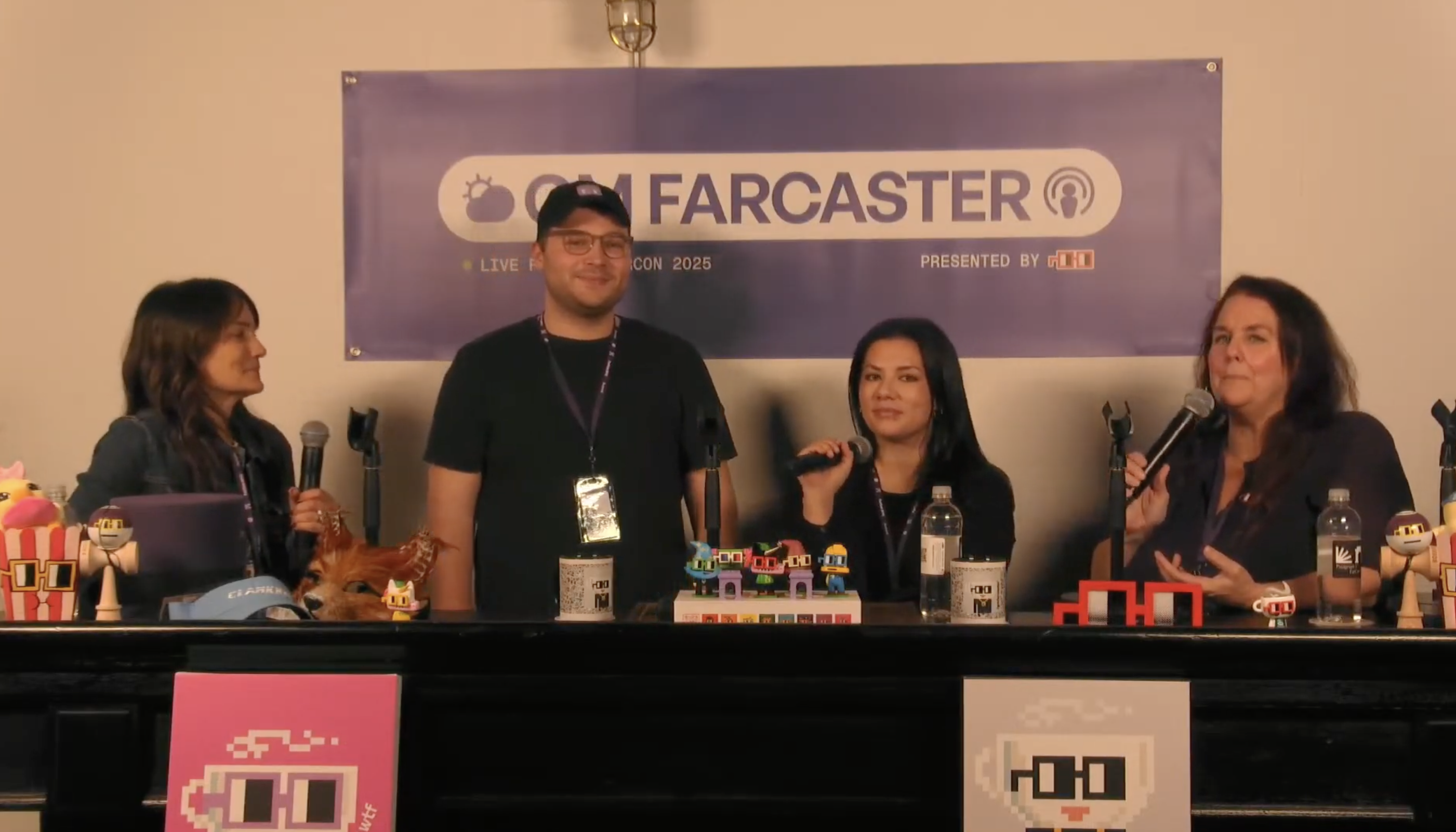
To me, FarCon and Farcaster are always about the people. Without the people that make the community what it is, a social protocol and its strong URL to IRL pipeline wouldn't be the same, let alone exist at all. Because of all the memories we had and the ideas we shared, that weekend was by far one of the most memorable parts of my 2025. And I know that the community is in amazing hands with Limone and the Builders Garden crew running FarCon 2026 in Rome!
What caught my eye
To be honest, between the new role at Base and the work leading up to FarCon NYC I didn't have too much time for much else this year (which is more than fine!). But on nights and weekends there are a few things I was either closely following or tinkering with that I'll expand on below.
The browser wars / the "AI app store"
Funny enough, researching browsers as a medium worth re-inventing for a new age of computing is one of the things that got me super passionate about programming in high school. But I never would've guessed that in 2025 of all years that top companies would be duking it out to breathe new life into a sector that's been rather dormant for the past few decades! Looking back now it makes total sense though: in a world where AI's capabilities are ever-increasing, companies want AI to sit at the root level of all-encompassing systems to leverage it as much as possible. This is also very related to Karpathy's LLM OS idea, which essentially envisions a new model for operating systems where LLMs sit at the root so their core processing can easily extend to all apps and functions.
One reason I think this is happening is because there's simply no dominant AI app or platform right now. The two main things I see lacking/causing this right now are 1) different LLM interfaces/tools that have more specialized functionality(eg. Claude Code for coding, Nano Banana for image generation, Manus for deep research etc) and 2) limited access to memory/context that, when done right, will significantly increase how useful these tools can be for the average person.
Another example I want to point to here is how ChatGPT has tried several iterations of making an "AI app store" over the past few years. From plugins to custom GPTs to their latest rollout of Apps in ChatGPT, there have been several iterations here -- not just from OpenAI but from other labs like Anthropic as well(notably their work on MCPs and skills). While I'm not extremely convinced these ChatGPT apps will be the right form factor, I respect the iteration(which is how you learn!) and their app certainly seems to have the most mainstream adoption so far. I also find it a bit absurd that companies like Apple, which sit at the hardware layer and control an entire suite of apps both internally and externally made, aren't making a bigger push to win here -- since ultimately whatever comes out of all this will most likely be the "operating system"/interface that most consumers spend their digital lives in.
The last thing I want to point out on this subject is that this shift isn't just coming from consumers or top AI labs, but the need for new app stores/new app store rules also comes from developers! As I'll touch on below, AI coding tools are drastically reducing the friction between having an idea and shipping it -- even if you're new to programming. A new set of more personalized or even ephemeral apps are coming to light and with it they want to be able to reap the benefits that top apps get(most notably distribution and payments). If this topic interests you, you should check out one of my latest posts Embedded apps that dives deeper!
AI coding tools
I was already using AI quite a bit in my programming workflow but this year completely changed both my workflow and what I thought could be possible here. I would say this is mainly due to progress that's been made in coding agents like Claude Code and even Cursor's agent/new model Composer. Using these tools properly has helped me move faster(easily double or triple my output), learn more, and take on larger tasks that would've felt nearly impossible or out of scope beforehand.
Four key features that have helped me out a ton are:
- Plan mode. Pioneered by Claude Code (like many agentic coding features were this year), this functionality has the agent focus on researching a plan for your task and even asks you clarifying questions to make the plan and its subsequent todos richer.
- Cloud agents. Whether it's using the Cursor background agent or most recently using Claude Code in Slack (which is extremely useful), being able to prompt an agent (or even multiple instances) to look into something while you're on the go is very useful and lets you both prototype and squash bugs faster.
- Tool/doc use. In Cursor I use a combination of indexed documentation, tool calls, and MCP servers to pull in all the context I need when working on a task -- from niche documentation to context sitting in a Linear ticket to live database info.
- Reviewing PRs. Using a tool like Greptile to do a first pass at a PR review/overview not only helps you catch things early on, but it also gives other reviewers a good overview for the PR itself.
While it's still important to spend time going through the code yourself and while there are still instances where it might be/feel better to make the change by hand, I'd be remiss if I didn't say that using all of these tools to the max have made me feel like I can take on so much more as an engineer. And when used properly I feel like these tools can help you get better at orchestrating and articulating the types of changes you want in your software; which is universally applicable no matter what language you're programming in.
What I also think is super important to highlight is how these tools are helping entire new cohorts of folks build apps. Whether it's onboarding to agents like Claude Code directly or using more "beginner friendly" tools like Replit or even v0/Lovable, another upside to the rise of these tools is how it's helped folks take the power of software into their own hands. An idea for even just a personal app that would've seemed impossible or too expensive in the past can be done in just a few hours now, and as it keeps getting easier for the average person to make their own software things are going to get really interesting.
Miscellaneous
Here are a few other subjects that caught my eye that I don't have as much to comment on but still wanted to highlight:
- Content as the attention mechanism. Non-traditional content(eg. YouTube and short-form content on platforms like TikTok) is growing in viewership and whether it's web2 companies or crypto there are continued attempts both to have this content capture the cultural zeitgeist and to monetize the content. There are several attempts at this(eg. bring your coin with you) and I'm curious to see how they play out, especially how they properly drive value to creators.
- Markets for everything, and neobanks. There's appetite for consumers to participate in even more financial markets: from prediction markets to perpetuals to tokenized stocks. And similarly, there's appetite for more folks all across the world to be able to access these financial tools -- particularly with the combination of stablecoins and neobanks that help more consumers participate.
- Killer AI apps. Now that there's been quite a bit of model growth and talent consolidation in the AI sector, I think the next advance has to be a better suite of actual apps that make use of AI to help people do more in their everyday lives. With a ton of new talent and a rather dormant userbase, I particularly expect Meta to jump in here. I also anticipate even more from Google, a company folks were sleeping on but had an amazing 2025 for AI; a company that's also already begun vertically integrating AI across all their apps. Three or so years into the AI 'bubble' I'd expect more on the app layer, so I'm very eager to see what 2026 has in store.
Best of 2025
My favorite products, content, and writing from 2025
all
/
article
/
music
/
product
/
video
Claude Code
Control The Stream
Crypto Trends Report 2025 Edition
Danger Testing

Doji
fomo
Free and Valuable
Gizmo
Illusion of Life
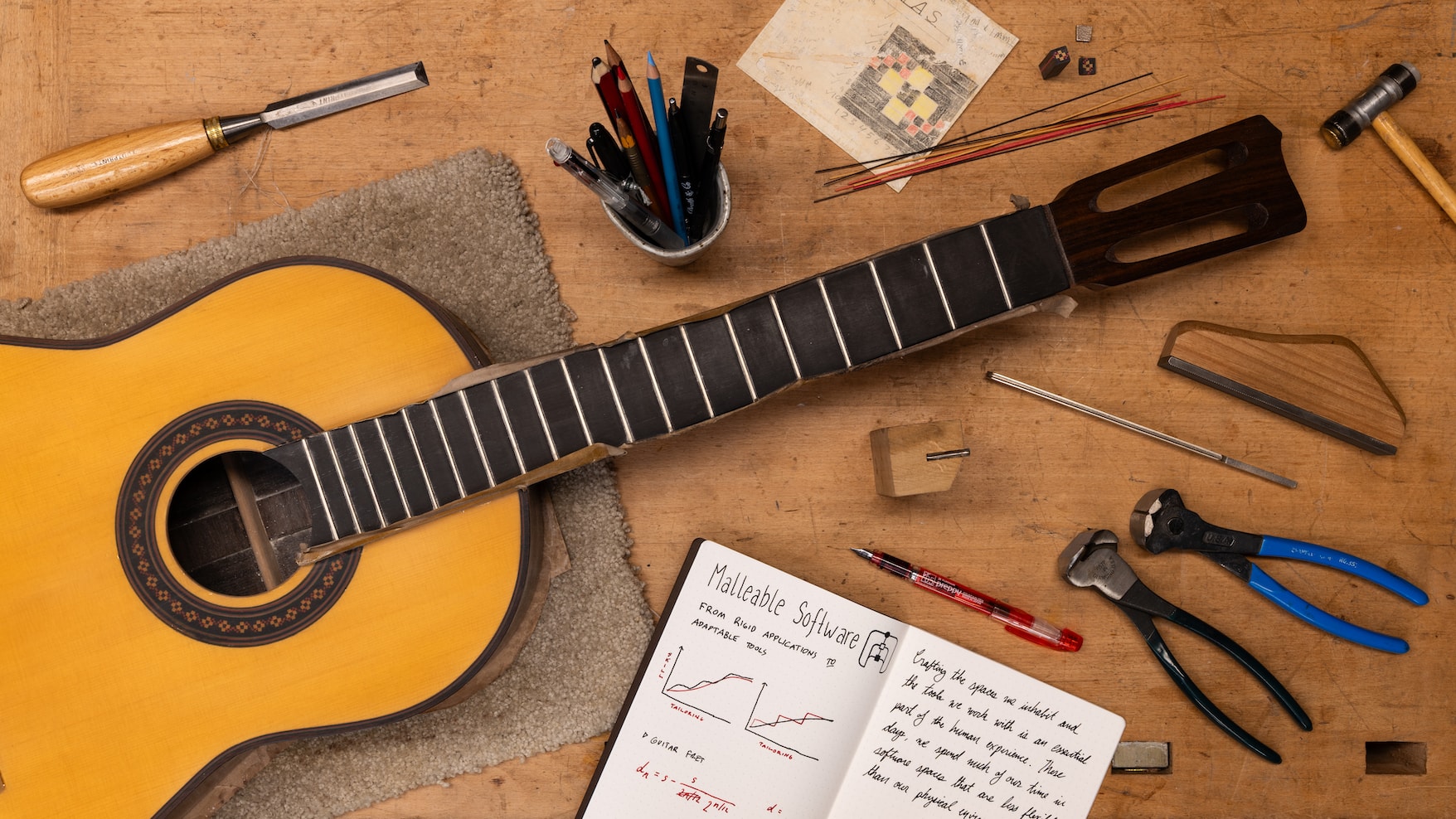
Malleable software
My Top Songs 2025
Noice
The Diplomat Season 3

The future of media is a bank
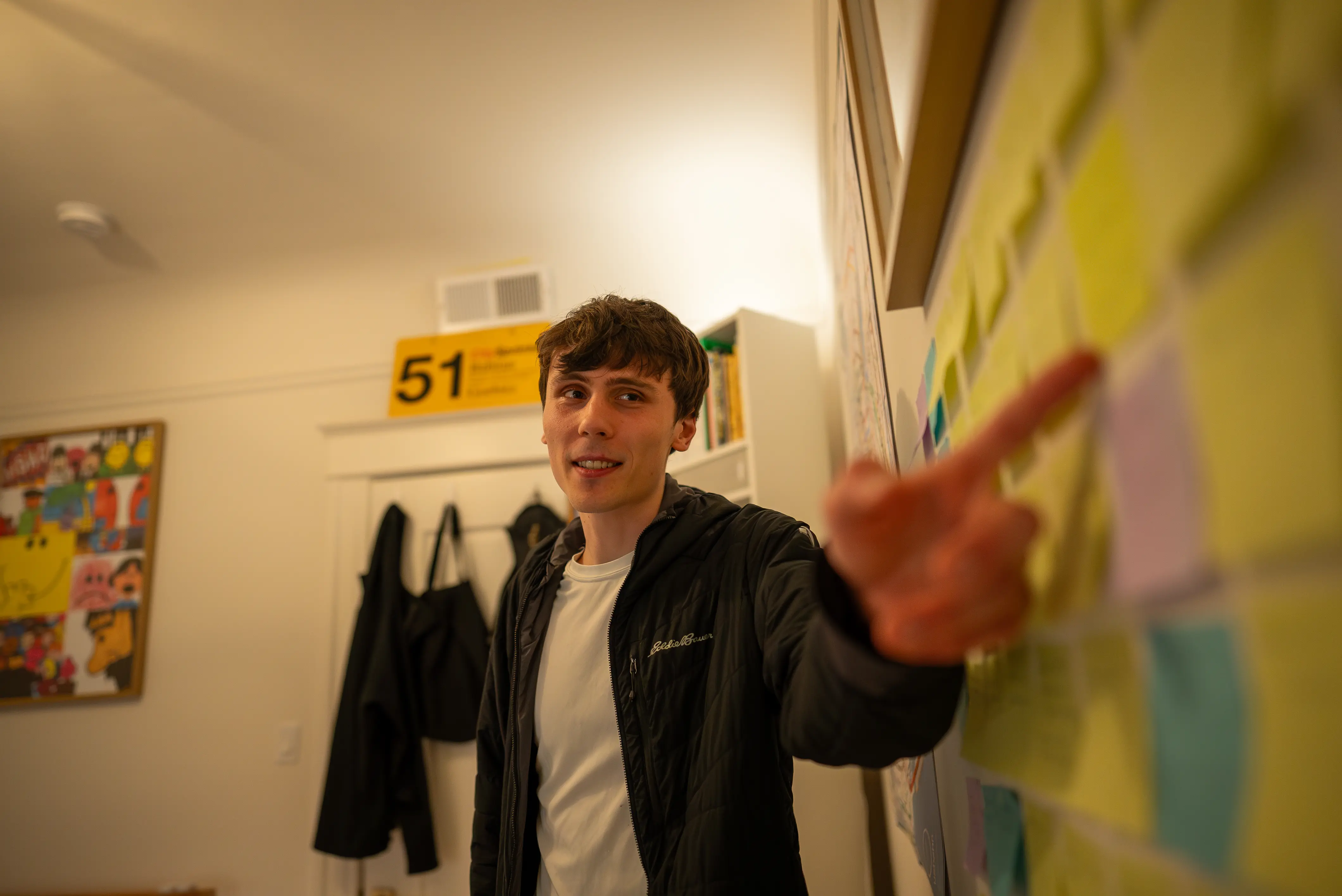
Training the Idea Muscle
Wabi
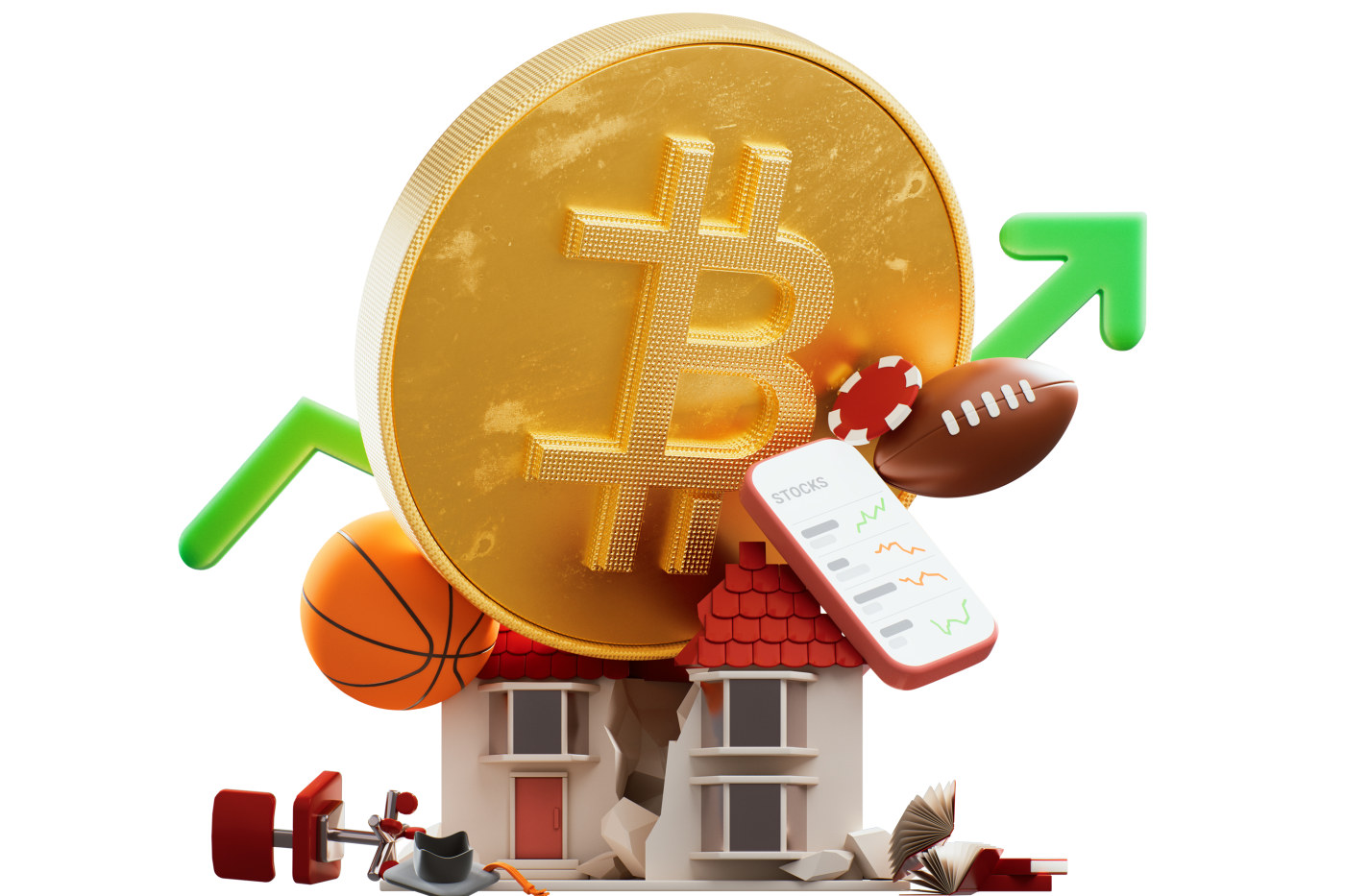
Why My Generation Is Turning to ‘Financial Nihilism’
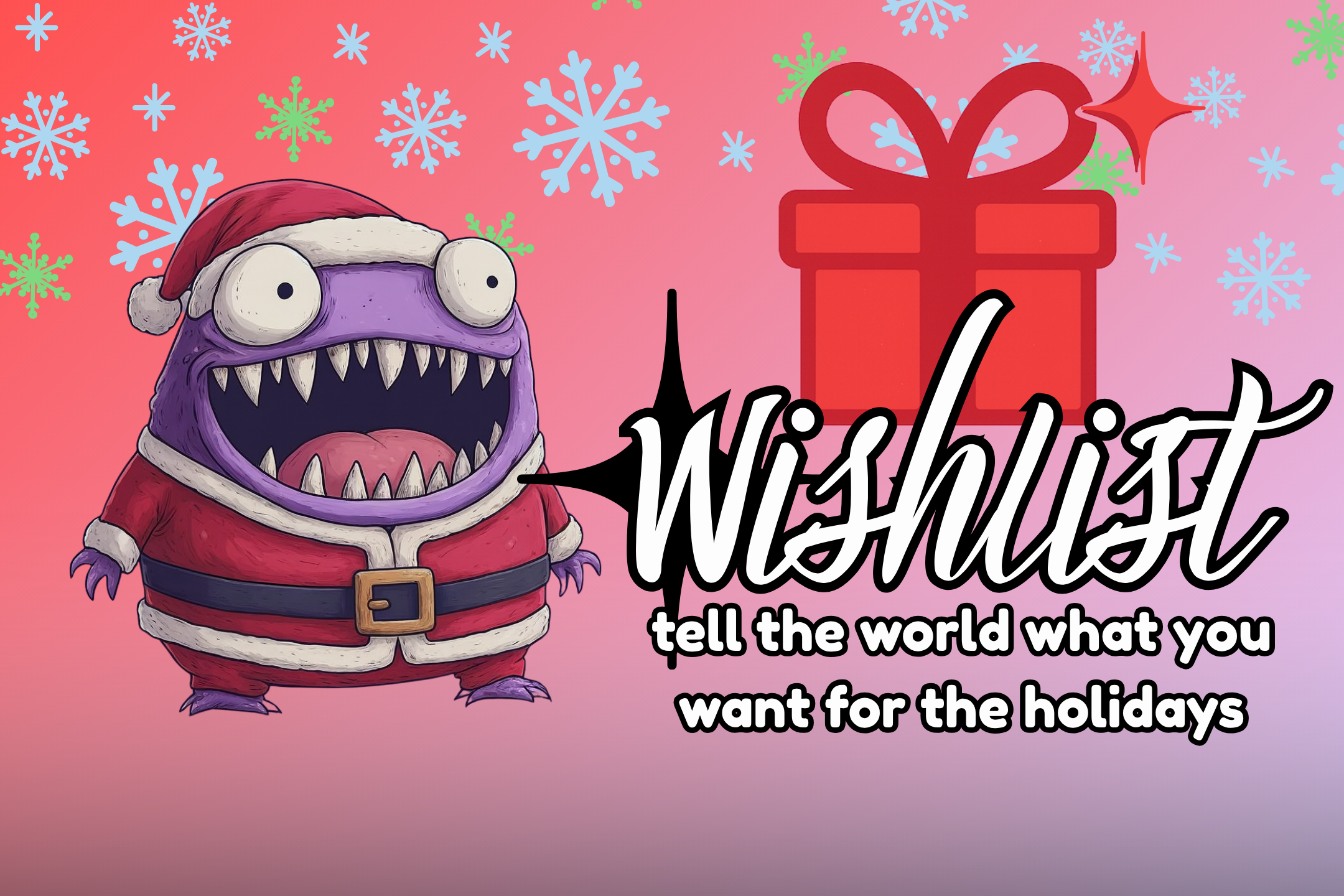
Wishlist
2025 Recap
Every project and piece of content I launched or helped work on this year
all
/
article
/
product
/
video